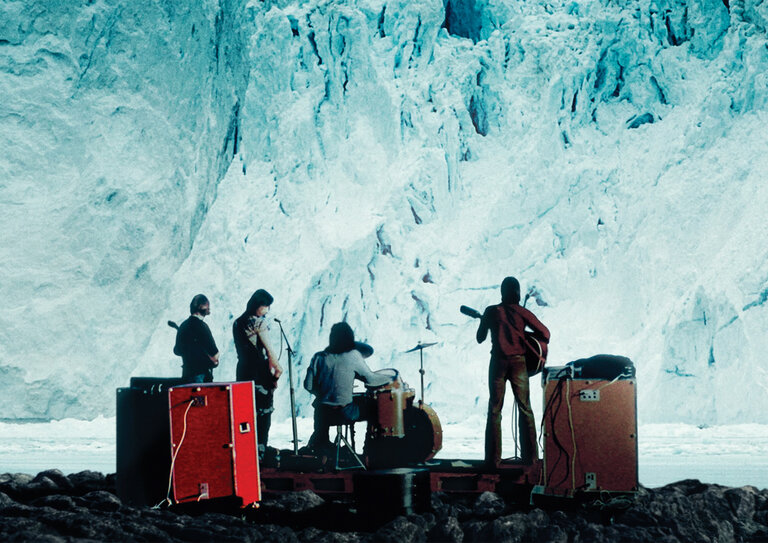
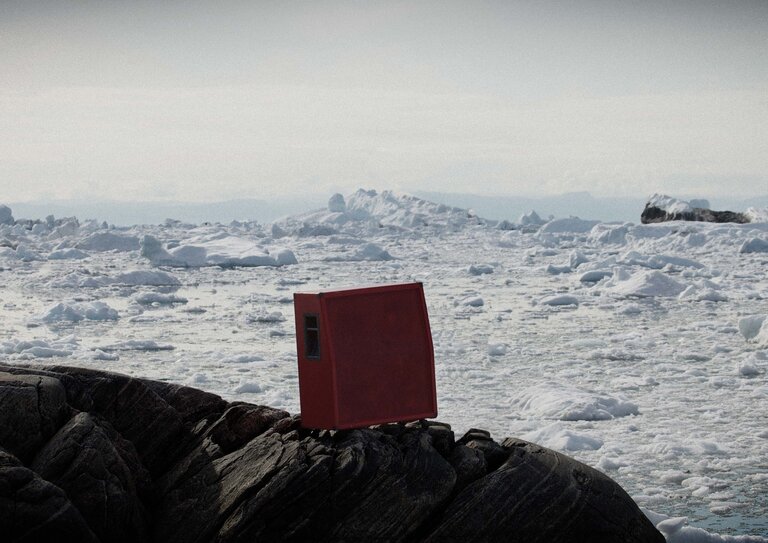
In 1970s Greenland, the rock band Sumé became the voice of a generation fighting for cultural identity and freedom from Danish colonial rule. By singing in their native language, they challenged the status quo and helped awaken a new sense of national consciousness. Through the story of this pioneering band, Inuk Silis Høegh explores how music can become a powerful force for political change and the preservation of cultural identity.
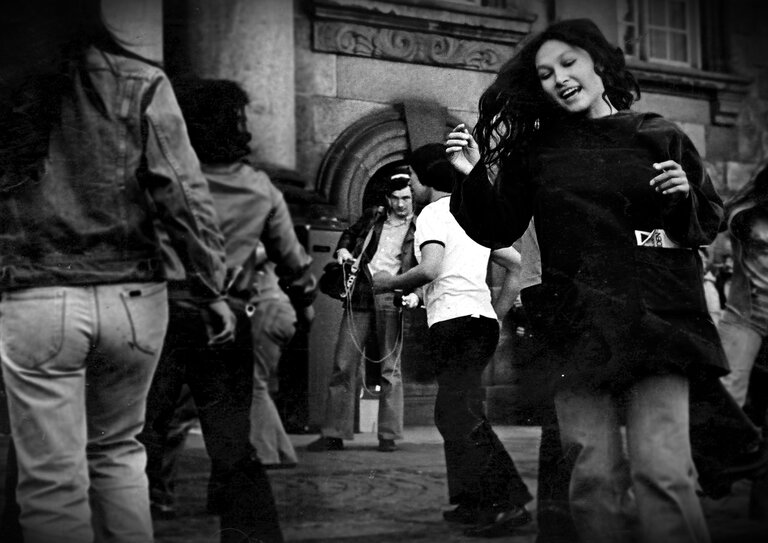
In the 1970s, a rock band from Greenland sparked a cultural and political revolution. Between 1973 and 1976, Sumé released three groundbreaking albums whose powerful lyrics, sung in Greenlandic, gave voice to a generation questioning centuries of Danish colonial rule. At a time when Greenlanders were struggling to reclaim their cultural identity and political autonomy, Sumé did something unprecedented: they sang about oppression, freedom and revolution in their own language. Their music became the soundtrack of a growing national awakening, inspiring a movement that helped pave the way for Greenland's Home Rule in 1979. Through rare archival footage, music and personal testimonies, director Inuk Silis Høegh revisits a pivotal moment in Greenland's history, revealing how a small rock band helped transform the consciousness of an entire nation. More than a music documentary, Sumé: The Sound of a Revolution is a powerful story about the relationship between culture and political freedom, the importance of language, and the enduring struggle of an indigenous people to define their own future. Directed by Greenlandic filmmaker Inuk Silis Høegh, the documentary premiered in the Panorama section of the 2015 Berlinale and was later presented in the festival's NATIVe – Indigenous Cinema programme in 2017.